
Ask three suppliers to quote an event and you will often get three very different staffing numbers. That variation usually means at least two of them have not looked at the site properly.
Start with capacity and layout
Staffing is derived from the site, not from a rule of thumb. The numbers that matter are your licensed capacity, the number and width of entry and exit points, the sightlines from each stewarding position, and the pinch points where a crowd is forced to slow down. Change any one of those and the staffing changes with it.
Egress is the part people underestimate
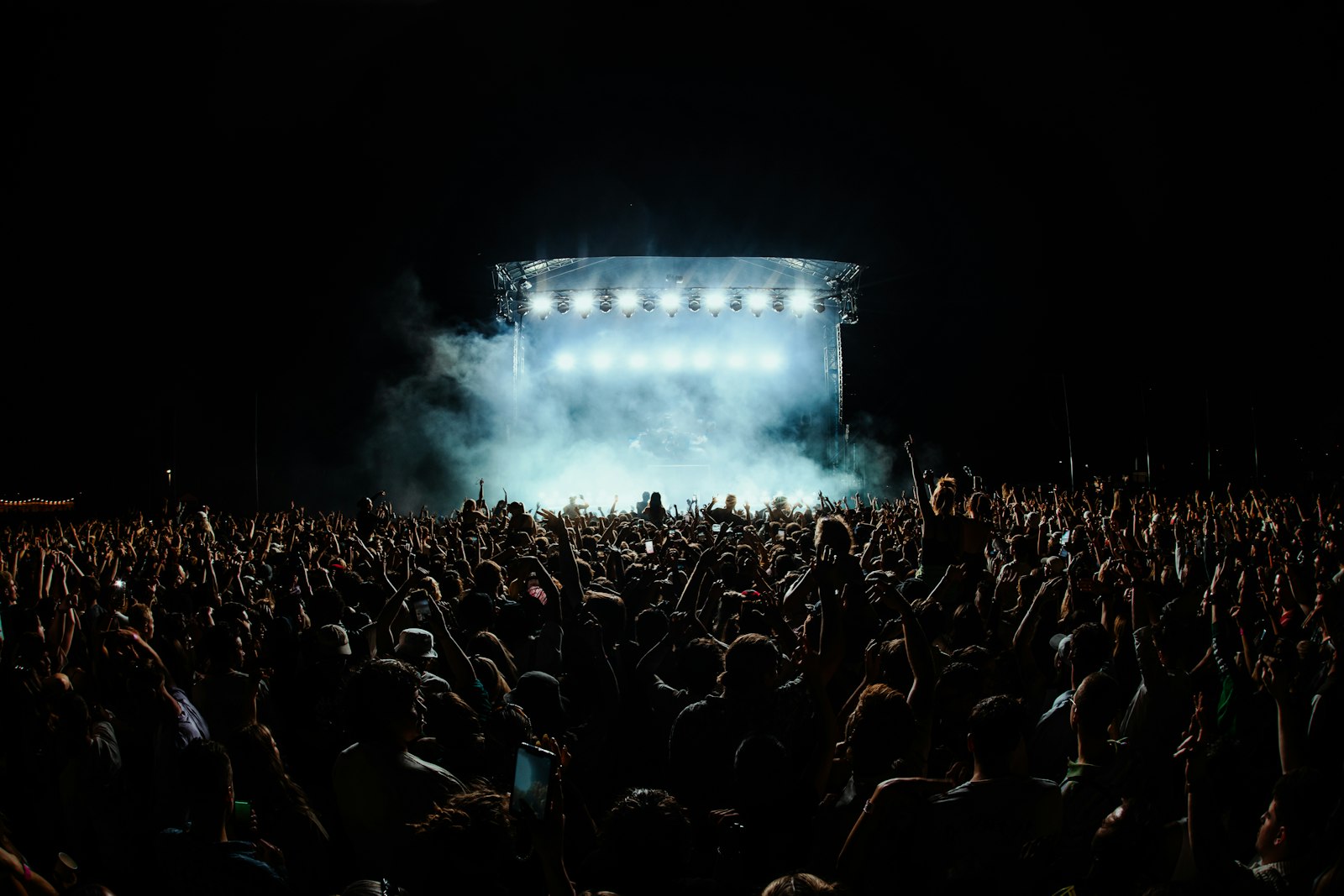
Most of an event runs itself. The risk concentrates at two moments: doors opening and the end of the night. Egress plans need to work when everyone leaves at once, in the rain, towards a station — and they need enough staff positioned before it starts, not redeployed once it has.
Crowd profile changes the plan
- A seated, ticketed audience needs a different plan from a standing one
- Alcohol on site changes both the staffing level and the skill mix required
- A family audience needs welfare and lost-child procedures, not more door staff
- Multi-day events need overnight cover for infrastructure, not just show-day teams
Brief before doors, every time
The single most reliable predictor of a well-run event is whether the team was briefed on that specific site — routes, assembly points, radio protocol, escalation — before doors opened. It costs an hour and prevents most of the problems that would otherwise be handled badly at eleven at night.