
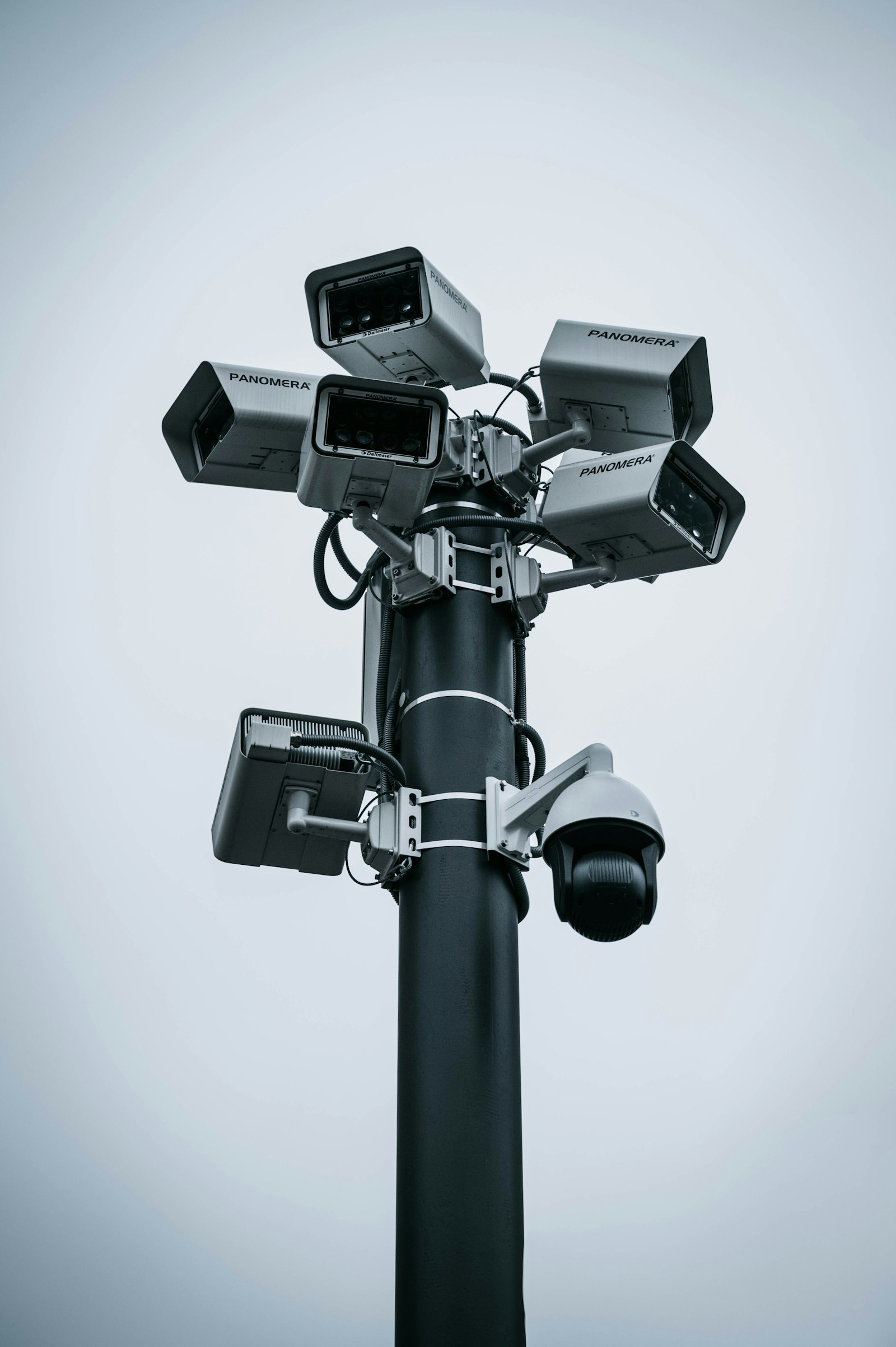
It is a question we are asked on almost every survey: should we put in cameras, or put an officer on the gate? The honest answer is that they solve different problems, and the right mix depends on what you are actually trying to prevent.
What cameras are good at
CCTV is unbeatable at coverage and evidence. One system can watch a dozen approaches at once, it never gets tired, and when something does happen you have a recording that stands up in an insurance claim or a prosecution. For large perimeters, loading bays and areas that are only occasionally used, cameras are almost always the more economical answer.
What cameras cannot do is intervene. An unmonitored system records a theft; it does not stop one. That distinction matters more than most buyers realise at the point of purchase.
What officers are good at
A person on site changes behaviour before an incident starts. They challenge the van that has reversed up to the wrong door, they notice the fire door that has been wedged open, and they deal with the situation at the front desk that no camera would have flagged. On any site with public access, staff safety concerns or a live incident history, that presence is the thing doing the work.
The combination that usually wins
For most commercial sites, the effective answer is monitored CCTV plus a smaller guarding presence than the client first assumed. The cameras extend one officer's reach across the whole site, and the monitoring gives you a response rather than just a recording.
- High-value plant or stock behind a large perimeter: cameras first, patrols second
- Public-facing premises with staff safety concerns: officers first, cameras supporting
- Vacant property: monitored detection with a keyholding response is usually cheapest
- Live incident history or a specific threat: presence on site, without exception
Get it surveyed before you buy
Most over-spend comes from buying a package rather than solving a problem. A survey costs nothing and will usually identify one or two changes — lighting, a gate line, an opening procedure — that reduce risk more cheaply than either cameras or officers.